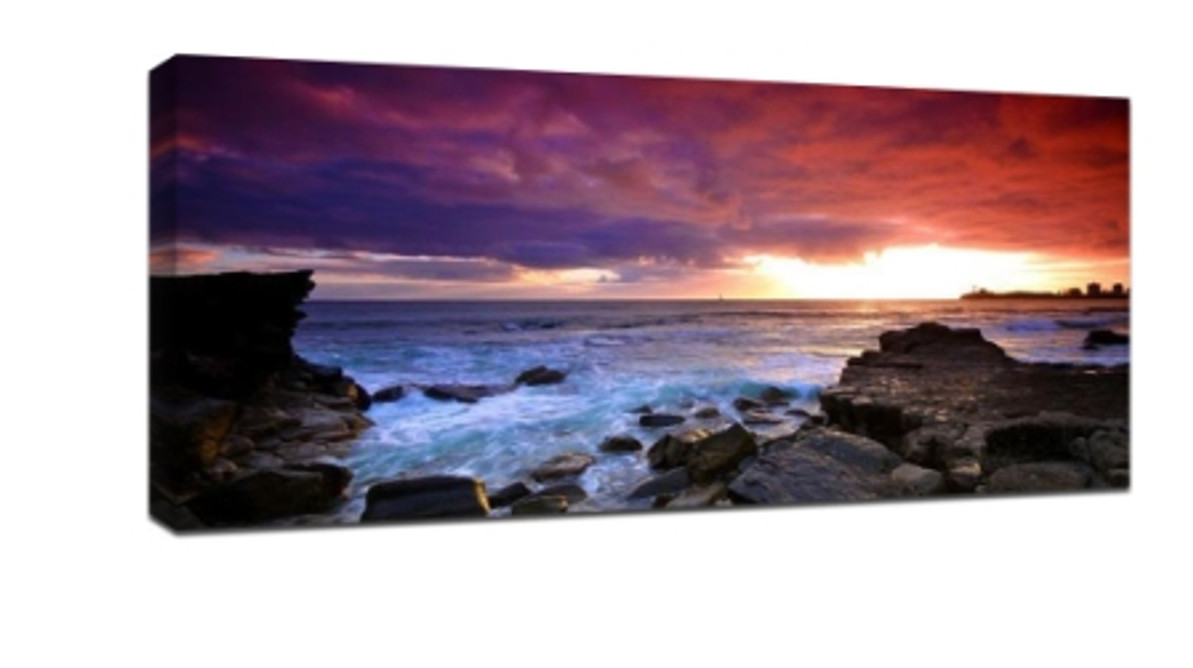
10 essential skills for shooting beautiful sunsets
Sunsets are one of the most magical moments of the day, offering photographers a chance to capture vibrant colors, dramatic skies, and serene landscapes. If you’ve ever dreamed of turning your stunning sunset shots into wall art, floating frame canvas prints are a beautiful way to showcase your work. To truly capture the beauty of sunsets, it’s essential to master certain photography skills. In this guide, we’ll walk you through 10 essential skills that will elevate your sunset photography and help you create memorable, gallery-worthy images.
1. Understanding the Golden Hour
The golden hour—the period shortly after sunrise or before sunset—is when the sun casts a soft, warm light. Learning to anticipate this timing is critical. The low angle of the sun enhances colors and shadows, giving depth to your photographs. To master this, practice planning your shoots around the local sunrise and sunset times, and always arrive early to find the perfect spot.
2. Mastering Composition
A well-composed photo makes a sunset breathtaking. Techniques like the rule of thirds, leading lines, and framing can transform a simple sunset into a visually compelling image. Place the horizon on the upper or lower third rather than in the center, and consider using natural elements like trees, rocks, or buildings to create depth.
3. Using Proper Exposure
Sunsets can easily trick your camera’s metering system, causing underexposed or overexposed shots. Understanding exposure settings—ISO, shutter speed, and aperture—is essential. Lower ISO keeps noise minimal, a slower shutter captures motion (like waves or clouds), and a smaller aperture ensures sharpness across the scene. Bracketing multiple exposures can also help capture a wider dynamic range.
4. Embracing Filters
Filters can enhance your sunset photography. A graduated neutral density (ND) filter balances bright skies with darker foregrounds, preventing blown-out highlights. Polarizing filters reduce glare and enhance color saturation, making the sky more dramatic. Learning when and how to use filters will give you a professional edge.
5. Focusing on Foreground Elements
A sunset isn’t just about the sky. Including interesting foreground elements—like rocks, plants, or reflections in water—adds depth and context to your images. Practicing focus techniques, like using a smaller aperture for larger depth of field, ensures both foreground and background stay sharp.
6. Capturing Movement
Clouds, waves, and even people can add life to your sunset shots. Learning to use motion blur creatively—by slowing down your shutter speed—can create dreamy effects in water or clouds. Conversely, freezing motion with a fast shutter can highlight details in waves or flying birds. Experiment with different shutter speeds to find the effect that best complements the sunset.
7. Experimenting with White Balance
White balance affects the warmth or coolness of your images. While auto white balance works for many situations, manually adjusting it can bring out the true hues of a sunset. Try warmer tones to enhance oranges and reds, or cooler tones for a softer, twilight feel. Bracketing different white balance settings can help you choose the perfect look during post-processing.
8. Utilizing Tripods for Stability
Low-light conditions during sunset require longer exposures, which can introduce blur if handheld. Using a sturdy tripod stabilizes your camera, allowing for sharp images even in challenging lighting. A tripod also enables precise framing and makes techniques like HDR blending or long-exposure shots much easier.
9. Post-Processing Skills
Editing your sunset photos can turn a good shot into a spectacular one. Adjusting exposure, contrast, and saturation helps bring out natural colors without overdoing it. Software like Lightroom or Photoshop allows you to enhance details, remove distractions, and create a polished final image ready to print. Subtle edits often work best to maintain the authenticity of the scene.
10. Planning for Display
Finally, consider how you’ll showcase your sunset photography. Whether for personal enjoyment or gifts, transforming your images into physical art makes them memorable. Floating frame canvas prints not only preserve the colors and details of your sunsets but also add a modern, elegant touch to any room. By understanding how your images will be displayed, you can compose and process your shots with printing in mind.
Capturing breathtaking sunsets is a combination of patience, technical skills, and creative vision. By mastering these 10 essential skills, you can take your photography to the next level and create images that deserve to be showcased. Transforming your favorite shots into floating frame canvas prints adds a professional touch and turns your photos into timeless pieces of art.
Recent Posts
-
Canvas Printing for Family Photos: Creative Ideas for Your Home
Family photos are more than simple pictures. They capture birthdays, holidays, weddings, new babies, …18th Aug 2026 -
Canvas Prints Gallery Wall Ideas for Every Room in Your Home
A gallery wall is one of the most personal and stylish ways to decorate your home. Instead of relyin …15th Aug 2026 -
Portrait Canvas Prints for Home Offices: How to Create a More Inspiring Workspace
A home office should be more than just a desk, chair, and computer. It is a place where you think, c …7th Aug 2026