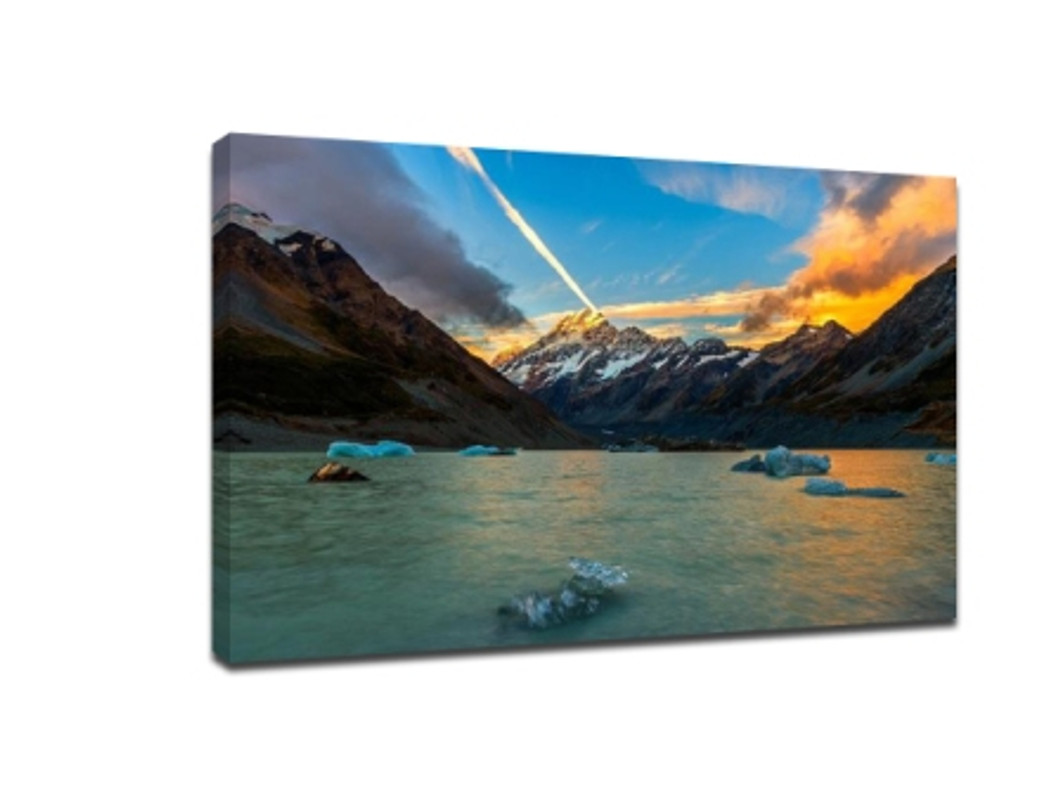
Take pictures with manual mode
For photography enthusiasts, capturing breathtaking images often begins with taking control of your camera. While auto mode can be convenient, switching to manual mode allows you to unleash your creative potential, control every aspect of exposure, and ultimately create images worthy of being displayed as canvas prints. In this guide, we’ll walk you through why manual mode matters, the essential settings to master, and practical tips for taking your photography to the next level.
Why You Should Use Manual Mode
Manual mode gives photographers full control over three key elements of photography: aperture, shutter speed, and ISO. Together, these determine the exposure of your photo and allow you to creatively influence depth of field, motion blur, and noise.
- Aperture (f-stop): Controls how much light enters the lens and affects depth of field. A low f-stop (f/1.8, f/2.8) produces a blurred background, perfect for portraits. A high f-stop (f/11, f/16) keeps more of the scene in focus, ideal for landscapes.
- Shutter Speed: Determines how long your camera’s sensor is exposed to light. Fast shutter speeds (1/500s or faster) freeze motion, while slow shutter speeds (1/30s or slower) create artistic motion blur, like flowing waterfalls or light trails.
- ISO: Controls the camera sensor’s sensitivity to light. Lower ISO values produce cleaner images with minimal noise, while higher ISO values allow you to shoot in darker conditions but may introduce grain.
By understanding these three settings, you gain the freedom to create photos exactly as you envision. This precision is essential if you plan to produce canvas prints that capture every detail and color accurately.
Getting Started with Manual Mode
Switching to manual mode may seem intimidating at first, but with some practice, it becomes second nature. Here’s a step-by-step approach:
- Start with Aperture Priority: Begin by experimenting in aperture priority mode (Av or A on your dial) to understand depth of field. Once comfortable, transition to full manual.
- Adjust ISO Last: Set your aperture and shutter speed first, then adjust ISO to ensure proper exposure.
- Use a Light Meter or Histogram: Many cameras provide a built-in light meter or histogram. These tools help you judge if your photo is overexposed or underexposed.
- Practice Makes Perfect: Try shooting the same scene with different settings. Compare results and learn how each change affects the final image.
Tips for Capturing Stunning Images
- Focus on Composition: Manual mode gives you technical control, but composition matters most. Apply the rule of thirds, leading lines, and framing techniques to create visually compelling images.
- Experiment with Light: Natural light is your best friend. Early morning or late afternoon (golden hour) produces warm, soft light ideal for portraits and landscapes.
- Stabilize Your Camera: Use a tripod for long exposures or low-light conditions to avoid blur.
- Shoot in RAW Format: RAW files retain more information than JPEGs, giving you flexibility in post-processing to enhance colors, contrast, and sharpness—perfect for high-quality canvas prints.
Transforming Your Photos into Canvas Prints
Once you’ve mastered manual photography, consider turning your favorite shots into canvas prints. Canvas prints allow your images to come alive with rich colors and textures, transforming them into striking wall art. Whether it’s a serene landscape, an expressive portrait, or a vibrant cityscape, printing on canvas preserves every detail and gives your photography a professional finish.
When choosing canvas prints:
- Select the right size for your space. Large prints make a bold statement, while smaller canvases work well in galleries or grouped arrangements.
- Consider color calibration. Ensure your photo editing software accurately reflects colors to maintain vibrancy in the final print.
- Explore different finishes. Glossy, matte, or textured canvases can dramatically affect the look and feel of your artwork.
Mastering manual mode empowers you to take full creative control over your photography. By understanding aperture, shutter speed, and ISO, and applying composition and lighting techniques, you can produce images that are truly your own. The ultimate reward is seeing your photography printed on canvas—a tangible, lasting display of your creative vision.
Start experimenting today, take charge of your camera, and turn your stunning images into unforgettable canvas prints. For high-quality, customizable options, explore canvas prints and bring your photography to life.
Recent Posts
-
How to Create a Family Photo Collage on Canvas
Family photos are more than just images; they hold memories, milestones, and moments that define who …14th Mar 2026 -
The Ultimate Guide to Affordable Quality Canvas Prints in 2026
Decorating your home with meaningful images has never been easier, but finding the perfect balance b …12th Mar 2026 -
Maximizing Your Space: How Custom Canvas Sizes Can Transform Small Rooms
Decorating a small room can be challenging. Limited wall space, tight layouts, and the need to avoid …11th Mar 2026