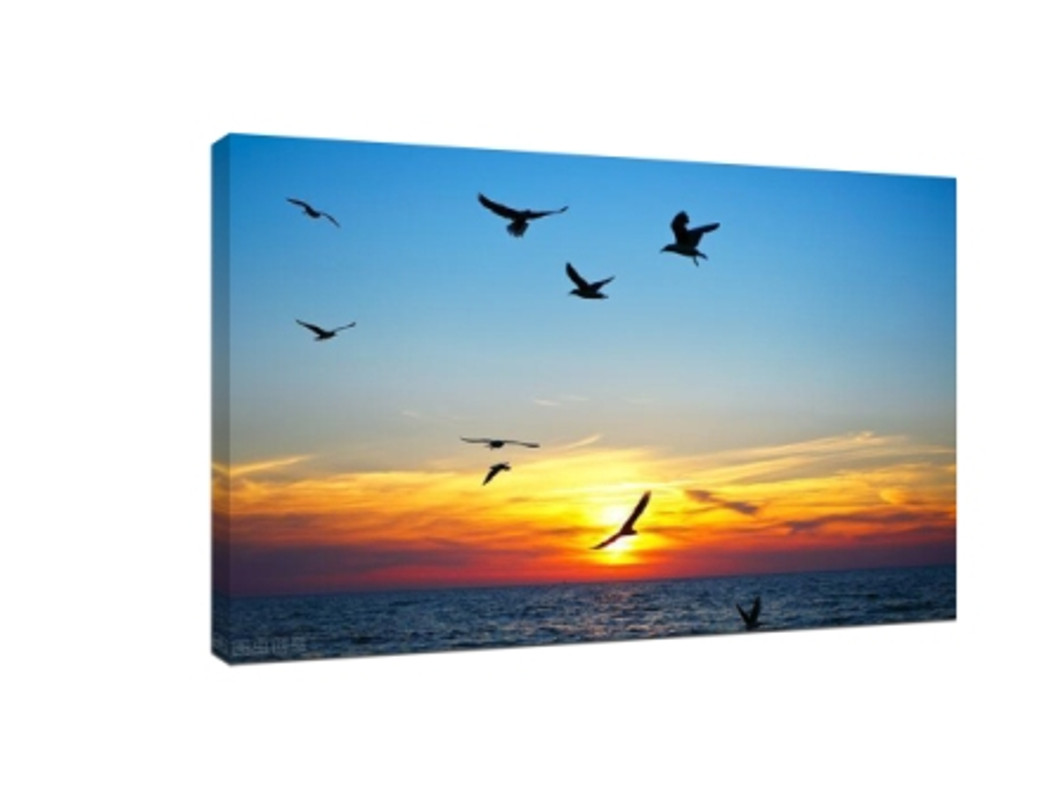
Improve Your Photography Level: Practical Skills to Transform Everyday Shots into Stunning Art
Photography isn’t just about owning a good camera—it’s about learning how to see, capture, and express moments with intention. Whether you're documenting family milestones or exploring artistic expression, improving your photography level can deeply enhance the value of every photo you create. And when you capture an image you truly love, turning your photo on canvas becomes one of the most rewarding ways to preserve it.
In this guide, we’ll explore the essential skills, mindset shifts, and presentation methods that can elevate your photography from ordinary snapshots to meaningful visual stories.
1. Start with the Basics: Understand Light, Composition, and Focus
Every photographer, regardless of skill level, should master three foundational elements: light, composition, and focus. These principles shape the emotional tone, clarity, and impact of your images.
Learn to Read Light
Great photography starts with great lighting. Here are key things to observe:
- Direction: Light from the front flattens features, while side lighting adds texture and depth. Backlighting creates mood and drama.
- Quality: Soft light (cloudy days, window light) is flattering; harsh light (midday sun) produces deep shadows and high contrast.
- Color: Morning and evening golden hours create warm tones; shade and indoor light may look cooler.
Practicing at different times of the day trains your eyes to see how light affects mood and detail.
Strengthen Your Composition
Composition is how you arrange elements in the frame. A few powerful techniques:
- Rule of Thirds: Place your subject on one of the four intersecting points for a balanced shot.
- Leading Lines: Use roads, fences, or shadows to guide the viewer’s eye.
- Negative Space: Leave empty areas to highlight your subject and create breathing room.
- Frames Within Frames: Use doorways, windows, or branches to naturally frame your subject.
Good composition turns an ordinary scene into something compelling.
Keep Your Focus Sharp
Your subject should be in clear focus unless intentionally blurred for creative effect. Explore:
- Single-point focus for portraits
- Continuous focus for moving subjects
- Manual focus for tricky low-light conditions
The sharper your subject, the more professional the final image will look—especially when enlarged on canvas.
2. Develop a Photographer’s Eye: Learn to See Details and Storylines
Improving your photography level requires more than technical mastery—it’s about learning to observe.
Train Yourself to Notice Patterns
Patterns, textures, reflections, and symmetry naturally draw attention. Look for:
- Shadows forming geometric shapes
- Repetitive objects (stairs, buildings)
- Contrasts between rough and smooth surfaces
Capture Emotion and Story
A technically perfect photo without emotion feels empty. Ask yourself:
- What story am I trying to tell?
- What feeling do I want the viewer to experience?
- What detail gives this moment meaning?
These questions help you move from “taking pictures” to “creating images.”
3. Use Your Gear Properly—But Don’t Obsess About Equipment
Many beginners believe they need expensive cameras to improve, but technique matters far more. Use what you have and focus on:
- Knowing your camera modes: Aperture priority, shutter priority, manual
- Understanding lenses: Wide-angle for landscapes, telephoto for portraits
- Stabilising your shots: Use tripods or lean against solid surfaces
Great photographers can create stunning images with basic gear because they know how to work with limitations.
4. Improve Through Practice: Shoot Intentionally, Not Randomly
Consistency will dramatically raise your skill level.
Try a Daily or Weekly Photo Challenge
Choose themes like:
- Reflections
- Hands
- Morning routine
- Street doors
- The color red
This trains creativity and builds discipline.
Review Your Photos Critically
After each session:
- Select your top 10 images
- Ask yourself what works and what doesn’t
- Look for repeated mistakes such as crooked horizons, poor lighting, or messy backgrounds
Growth comes from intentional reflection.
5. Learn Post-Processing to Enhance, Not Distort
Editing helps polish your images while staying true to the original intention.
Start with Basic Adjustments
- Exposure
- Contrast
- White balance
- Sharpness
- Cropping
Avoid Overediting
Common mistakes include:
- Oversaturated colors
- Too much skin smoothing
- Excessive clarity
- Fake sky replacements
Your goal is to enhance natural beauty, not create unrealistic scenes. Subtle editing elevates your photo’s quality and makes it print-ready.
6. Display Your Best Work: Turn Your Images Into Art
Improving your photography isn’t just about taking better photos—it’s also about sharing and displaying your work in meaningful ways. One of the most impactful presentation methods is printing your best shots on canvas.
Why Canvas?
- Canvas texture adds depth and dimension
- Enlarged images look softer, artistic, and gallery-like
- Canvas is durable and long-lasting
- It suits almost any interior style
When you turn a favourite image into canvas wall art, it becomes a personal masterpiece—something far more expressive than a digital file hidden in your phone.
What Makes a Photo Canvas-Worthy?
- Sharp focus on the subject
- Good lighting
- Strong emotion or storytelling
- Clean background and composition
Choosing your best work and printing it encourages you to shoot with higher standards.
7. Keep Learning and Keep Exploring
Photography is a journey, not a destination. The more you experiment—whether with angles, lighting, subjects, or editing styles—the faster your skills will grow. Follow photographers you admire, participate in workshops, and stay inspired.
Improving your photography level doesn’t happen overnight, but with the right mindset, techniques, and consistent practice, you can transform your visual style and create images that deserve a place on your wall.
Recent Posts
-
How to Create a Family Photo Collage on Canvas
Family photos are more than just images; they hold memories, milestones, and moments that define who …14th Mar 2026 -
The Ultimate Guide to Affordable Quality Canvas Prints in 2026
Decorating your home with meaningful images has never been easier, but finding the perfect balance b …12th Mar 2026 -
Maximizing Your Space: How Custom Canvas Sizes Can Transform Small Rooms
Decorating a small room can be challenging. Limited wall space, tight layouts, and the need to avoid …11th Mar 2026